
The age of independence in Spanish learning
From learning the language to owning It
By the time children reach 9 to 11 years old, their brains are primed for more analytical thinking. According to the UK’s Department for Education (DfE), children in upper Key Stage 2 develop the cognitive ability to notice patterns, apply logic, and internalise grammatical rules. This means they’re ready not just to speak a second language, but to understand how it works, and use it independently.
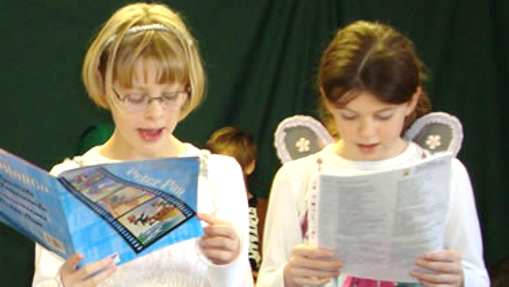
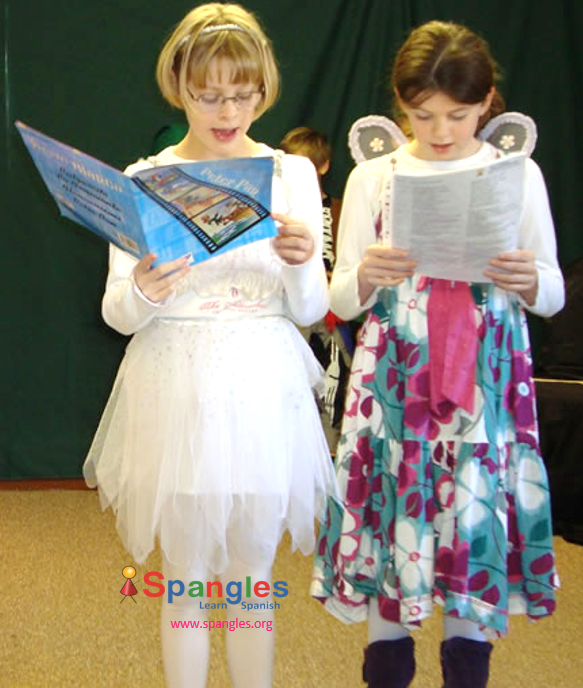
At Spangles Spanish, we see the above every day. Our 9–11-year-old learners begin moving beyond memorised phrases to writing and speaking in full paragraphs. They take ownership of their learning, making choices about which vocabulary and structures they want to use. The result? They become confident, articulate Spanish users, years ahead of their peers.
Understanding Grammar to Build Independence
At this stage, Spangles students start exploring grammar more deeply: present, preterite, and future tenses; adjective agreement; word order; and subject-verb agreement. But grammar isn’t taught in isolation, it’s always integrated into practical, fun tasks. Children learn how to create their own descriptions, narrate events, express opinions, and ask thoughtful questions.
For example, a student might write: El verano pasado fui a la playa con mi familia y fue fantástico (Last summer I went to the beach with my family and it was fantastic). This is not just a sentence, it’s an independent expression of thought, built from real understanding.
Our approach is child-centred and empowering. We provide a structured programme that gradually introduces grammar in context, supported by interactive exercises, role-plays, and writing challenges. Children learn how to build sentences, and when they discover they can write and speak clearly in Spanish, their confidence soars.
We also use project-based learning, with activities such as creating mini-books, designing posters and preparing presentations. These projects give children the opportunity to apply what they have learned creatively, make choices and develop their own work. The aim is not perfection, but progress, independence and the satisfaction of seeing their skills grow.
Encouraging participation and celebrating Progress
We believe children learn best when they feel involved and motivated to participate. Our teachers encourage them to contribute, try new activities, share ideas and have a go, even when they are not entirely sure of the answer.
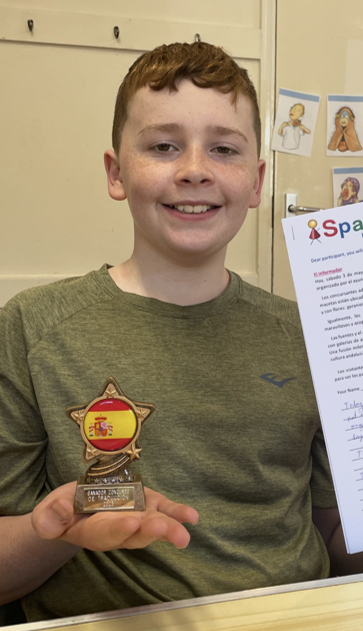
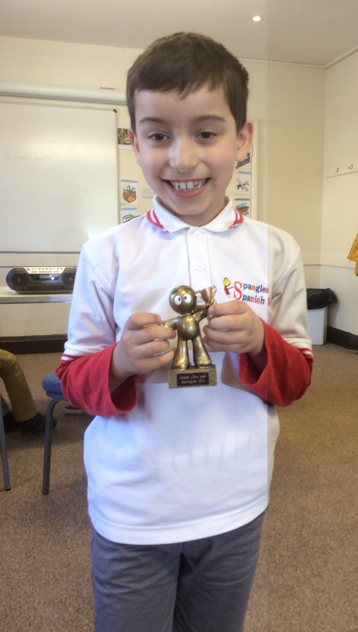
Trophies also play a part in encouraging participation and recognising achievement. They give children something positive to work towards and provide opportunities to celebrate their efforts and successes. Just as importantly, recognition can help children appreciate their own progress and feel proud of what they have accomplished.
At Spangles, we want children to leave each lesson with more than new Spanish vocabulary or grammar. We want them to feel increasingly confident in their abilities, willing to take on challenges and ready to express themselves independently.
Comments are closed here.